Short answer: creative outreach works when it delivers a real signal on a surface other founders don't use. The tactic buys attention; only traction converts it.
Ranked roughly from lowest to highest effort. Every one of these has worked for someone; every one has also flopped for someone who skipped the research. The common thread in the wins: one specific investor, one specific reason, evidence of traction inside.
1. Be useful in their replies
Investors post questions, theses, and requests constantly. Answering with genuine substance — data from your market, a customer anecdote that confirms or breaks their thesis — builds name recognition for free. Effort: low. Risk: none. Speed: slow.
2. Build in public
A weekly thread with real numbers is the only tactic here that makes investors come to you. It also compounds: every post is discoverable later during diligence. Effort: ongoing. Risk: low. Speed: months.
3. Send a Loom teardown
Record five minutes walking through a real problem in one of their portfolio companies' funnels — and how your product fixes it. Unreasonably effective because it proves competence instead of claiming it. Effort: medium. Risk: low, unless the teardown is wrong.
4. Win over a portfolio founder first
An intro from a founder the investor already backed converts better than any cold channel. Engineer it honestly: be useful to the portfolio company first. Effort: medium. Speed: weeks.
5. Handwritten note to the office
Nobody's mail pile is crowded anymore. A short handwritten note with one metric and a QR code costs a stamp and gets opened at 100%. The ceiling is modest — it's memorable, not remarkable. Effort: low. Cost: ~$1.
6. The pizza-box deck
A classic of the genre: print the deck, deliver it with (or as) a pizza. It gets attention and it's been done enough that investors recognize the move. Fun, cheap-ish, moderately worn. Cost: ~$30. Novelty: fading.
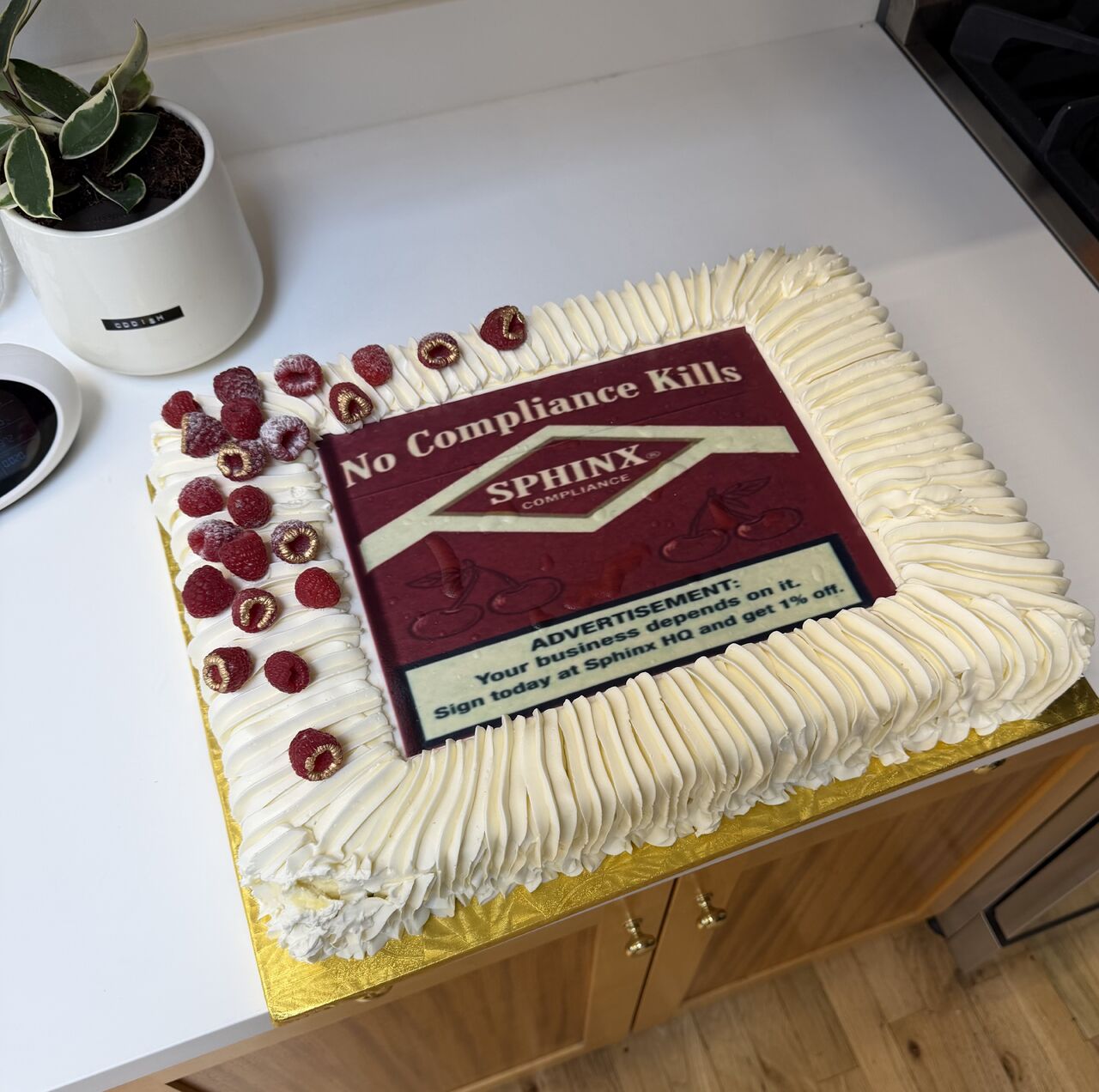
7. The pitch cake
The escalation we run at Daymaker: your deck's key slide baked onto a custom cake, hand-delivered to the investor's lobby, QR code to the deck on top. Reception signs for it, the office gathers, someone photographs it, and surprisingly often the investor posts it. One cake per researched target — never a list. Cost: $99 per VC. Speed: days.
8. Ambush politely at events
Demo days, conference hallways, meetups where the partner is speaking. Thirty prepared seconds and an ask for their card beats a pitch monologue. Effort: high per attempt. Risk: reading the room badly.
9. The stunt tier: billboards and beyond
Renting a billboard by the fund's office, wrapping a truck, buying their name as a search ad. Occasionally legendary, usually expensive theater. If the underlying signal is weak, a $5,000 stunt just announces it loudly. Cost: $$$$. Variance: maximum.
How to pick
- No traction yet: tactics 1–3. Earn a signal before you spend on attention.
- Signal but no network: tactics 4–7. Specific, researched, one target at a time.
- Something to announce: pair a launch with 2 and 7 — the cake gives the launch a story, the thread gives the story a home.
Skip to the tactic with receipts.
Pick one of 345 Bay Area VCs. We bake your pitch onto a cake and hand-deliver it. $99.