Short answer: coldcaking works when getting noticed is the bottleneck. It earns replies and public moments. It does not replace traction, timing, or follow-up.
Coldcaking is cold outreach delivered as a custom cake. The question is not whether people see it — they do. The question is whether that attention turns into a conversation worth having.
What the numbers say
Daymaker tracks delivery and reply outcomes on pitch-cake sends. On high-value targets — VCs, strategic buyers, hard-to-reach executives — the pattern is consistent:
Compare that to cold email, where a good campaign might see 20–40% opens and single-digit reply rates. Coldcaking trades volume for visibility. You are not optimizing for sends per hour. You are optimizing for one person noticing.
Public proof it gets noticed
The best coldcaking results are public. Recipients post. Teammates photograph the cake. Reception becomes distribution. A few examples from the Daymaker receipts wall:
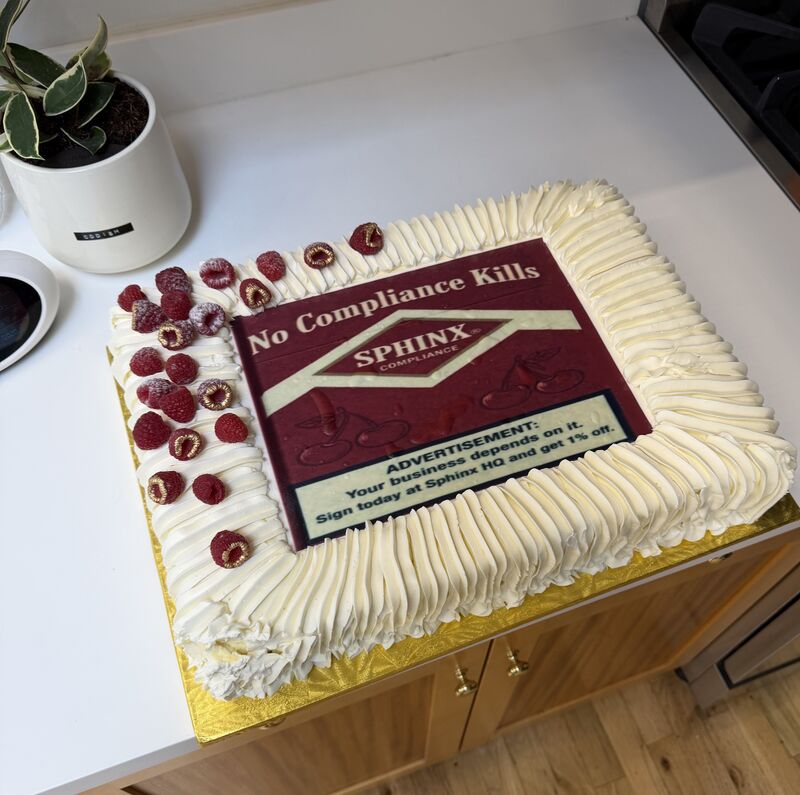
"Genuinely the best pitch I've seen this year. Took the meeting before I'd finished a slice."— Alexandre Berkovic, CEO @ Sphinx (YC F24), on LinkedIn
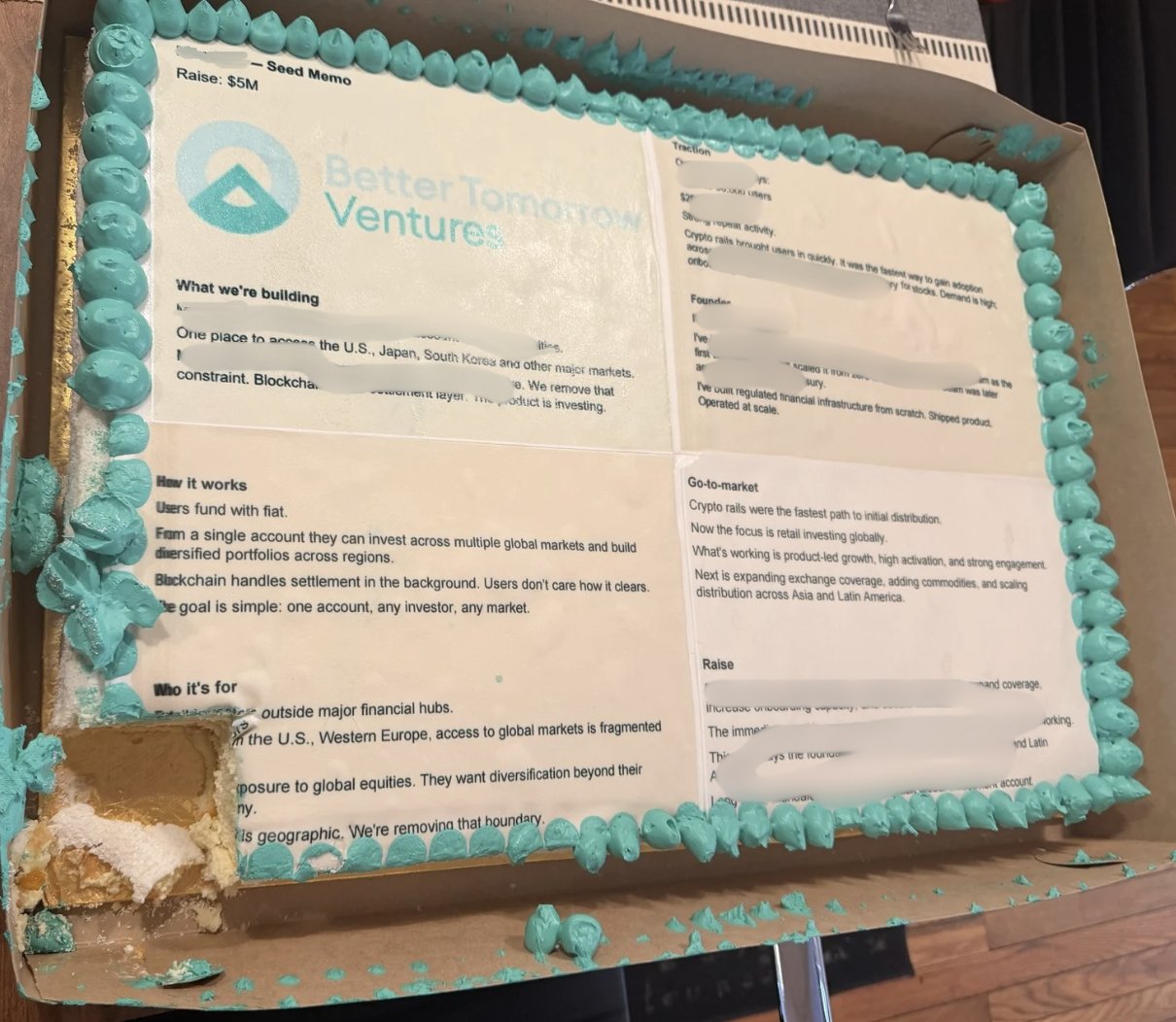
"Someone just came and delivered an absolutely massive cake to our office as a pitch for their company. Definitely one way to get attention!"— Sheel Mohnot, GP @ Better Tomorrow Ventures, on X (123k+ views)
"One founder is winning investors over with personalised cakes… Sent 7 cakes to a16z, Sequoia, Index Ventures and more. Got 5 partner meetings."— Sifted, Feb 2026
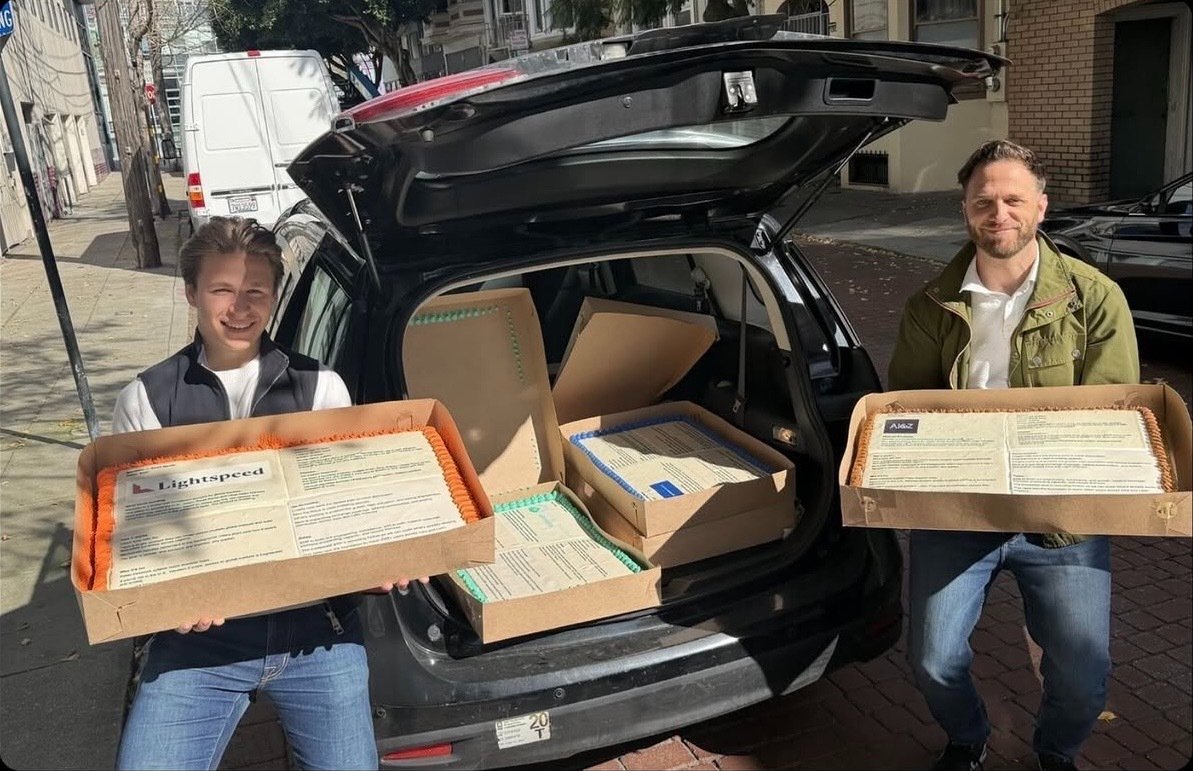
"Daymaker i want more cakedecks"— Hubert Thieblot, GP @ F.inc, email reply after a pitch-cake delivery
Press coverage from Forbes, Sifted, and CNN followed the same pattern: the tactic is memorable enough to write about, which creates a second wave of reach beyond the recipient.
What makes coldcaking work
- One sharp target. The send is expensive enough that specificity matters.
- One clear message. If it does not fit on cake, it is probably not sharp enough.
- Real proof on the design. Logo, screenshot, traction number, or investor-fit hook.
- Timed follow-up. "Did the cake arrive?" while the office is still talking about it.
- A company worth meeting. The cake opens the door. Traction walks through it.
See pitch cake examples for what good designs look like, and how to send a pitch cake to a VC for the full playbook.
When coldcaking does not work
Coldcaking is an attention tactic, not a meeting guarantee. It fails predictably when:
- The target is wrong. A cake to someone who will never care is still noise, just heavier.
- The address is stale. Offices move. Reception rules change. Delivery can fail.
- The message is weak. A beautiful cake carrying a vague pitch still loses.
- There is no follow-up. The cake creates the moment. You still have to ask for the next step.
- The company is not ready. No amount of frosting fixes broken timing or missing traction.
Do not cake your whole TAM. Use coldcaking when one person is worth the send — the same rule as in the coldcaking guide.
How results compare to cold email
Cold email optimizes for learning at scale. Coldcaking optimizes for one memorable moment. The ROI math is different: a $99 pitch cake to the right VC is cheap compared to the value of one partner meeting. A $99 cake to a random lead is expensive spam.
Read coldcaking vs cold email for when to use each channel — and how to sequence them.
Want to test it yourself?
Send one pitch cake to a Bay Area VC, or browse the full receipts wall before you commit.